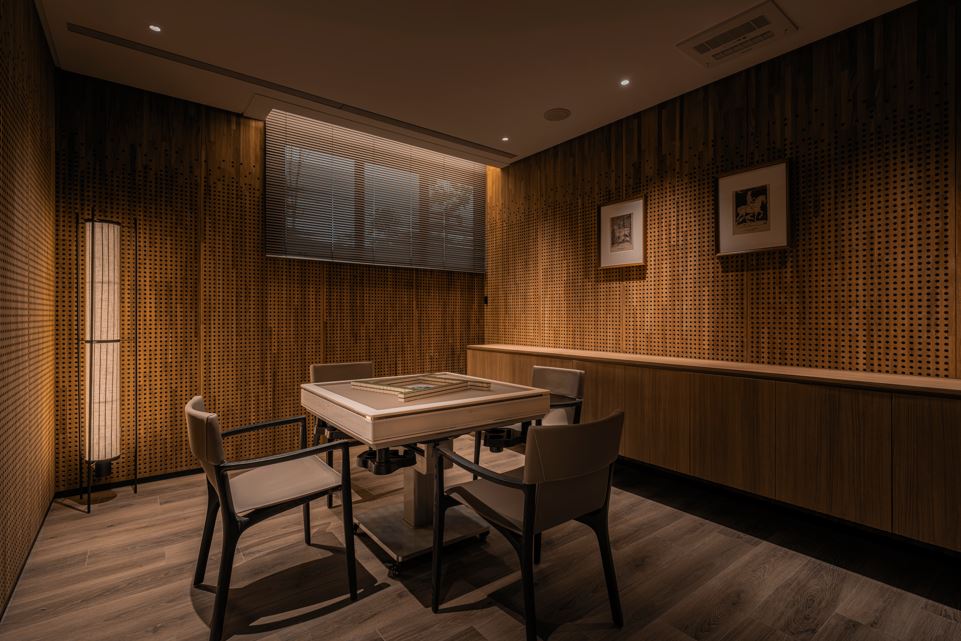
共融界面;使用的編排
在有限空間中,透過家具系統創造多重共存的生活場景。
本案為集合住宅之公設交誼空間,空間同時承載入戶門廳與住戶共享休憩機能,在有限尺度下需回應高使用需求與多樣生活情境。設計的核心並非單一功能的強化,而是透過家具配置建立一種可被共享、切換與共存的使用關係,使空間在開放與獨立之間取得平衡。
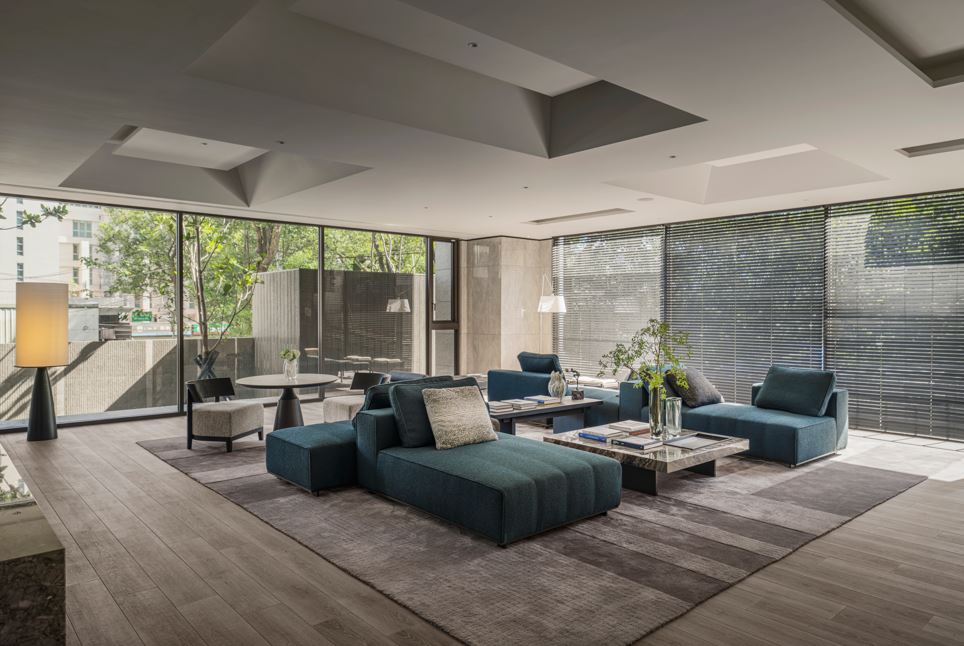
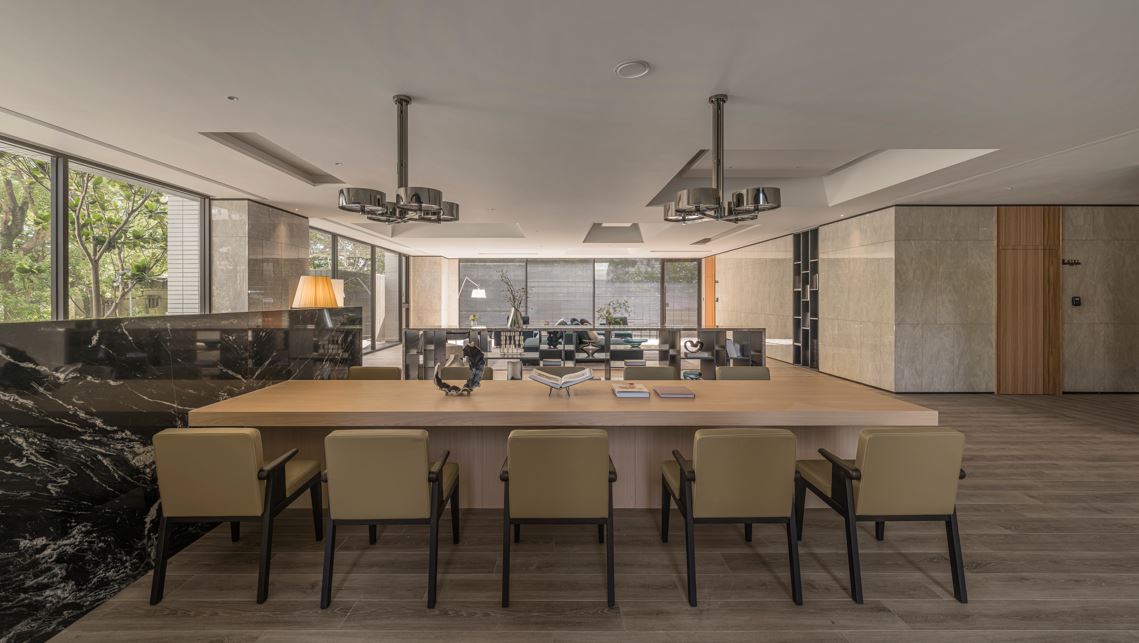
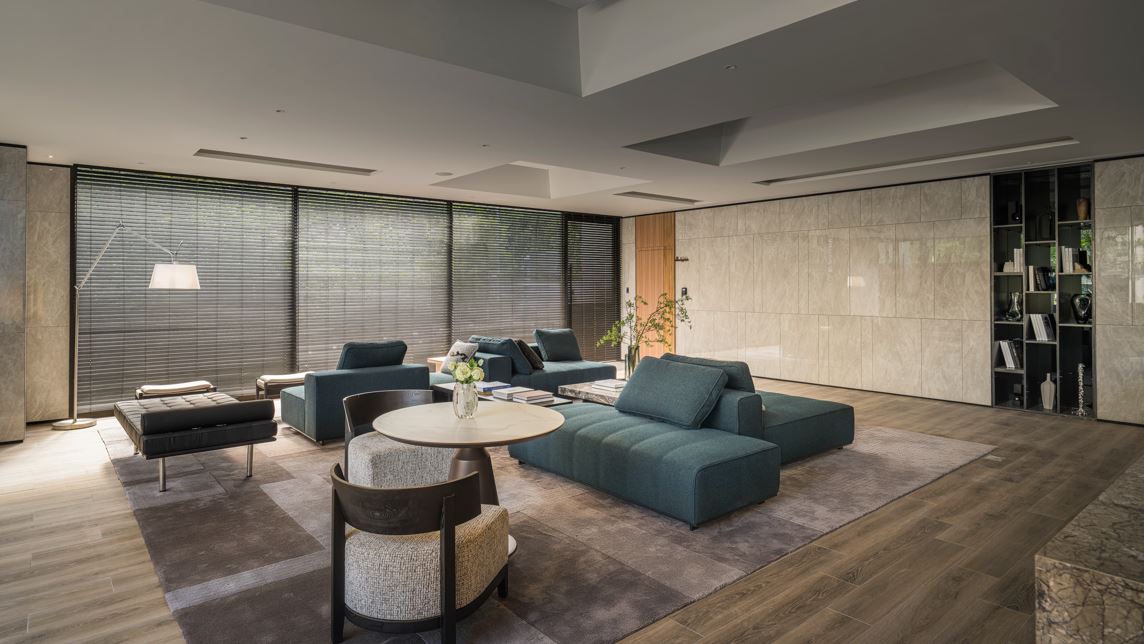
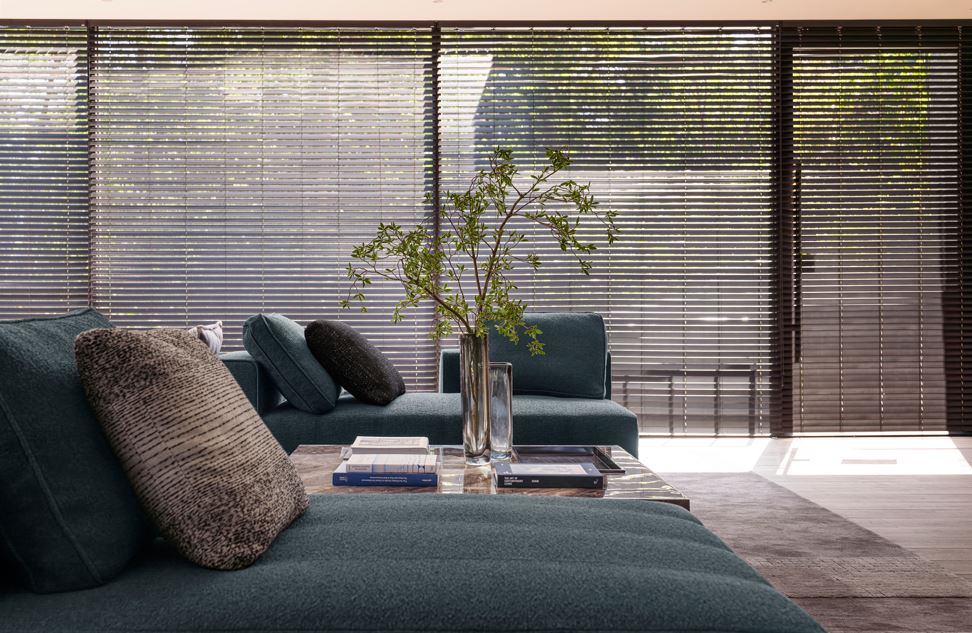
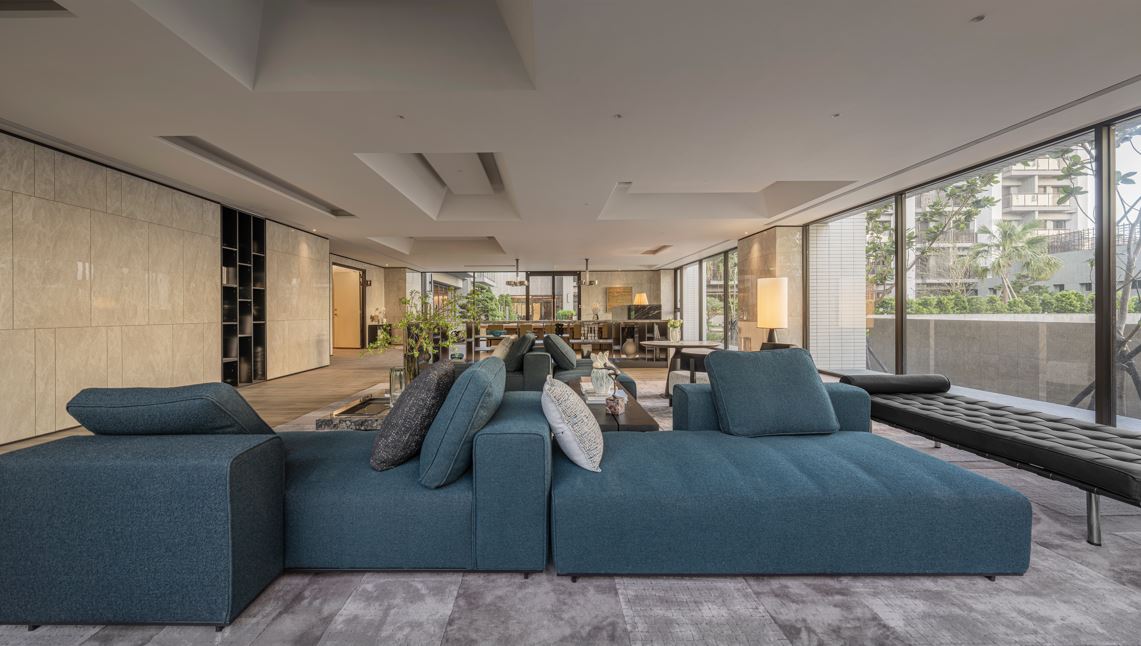
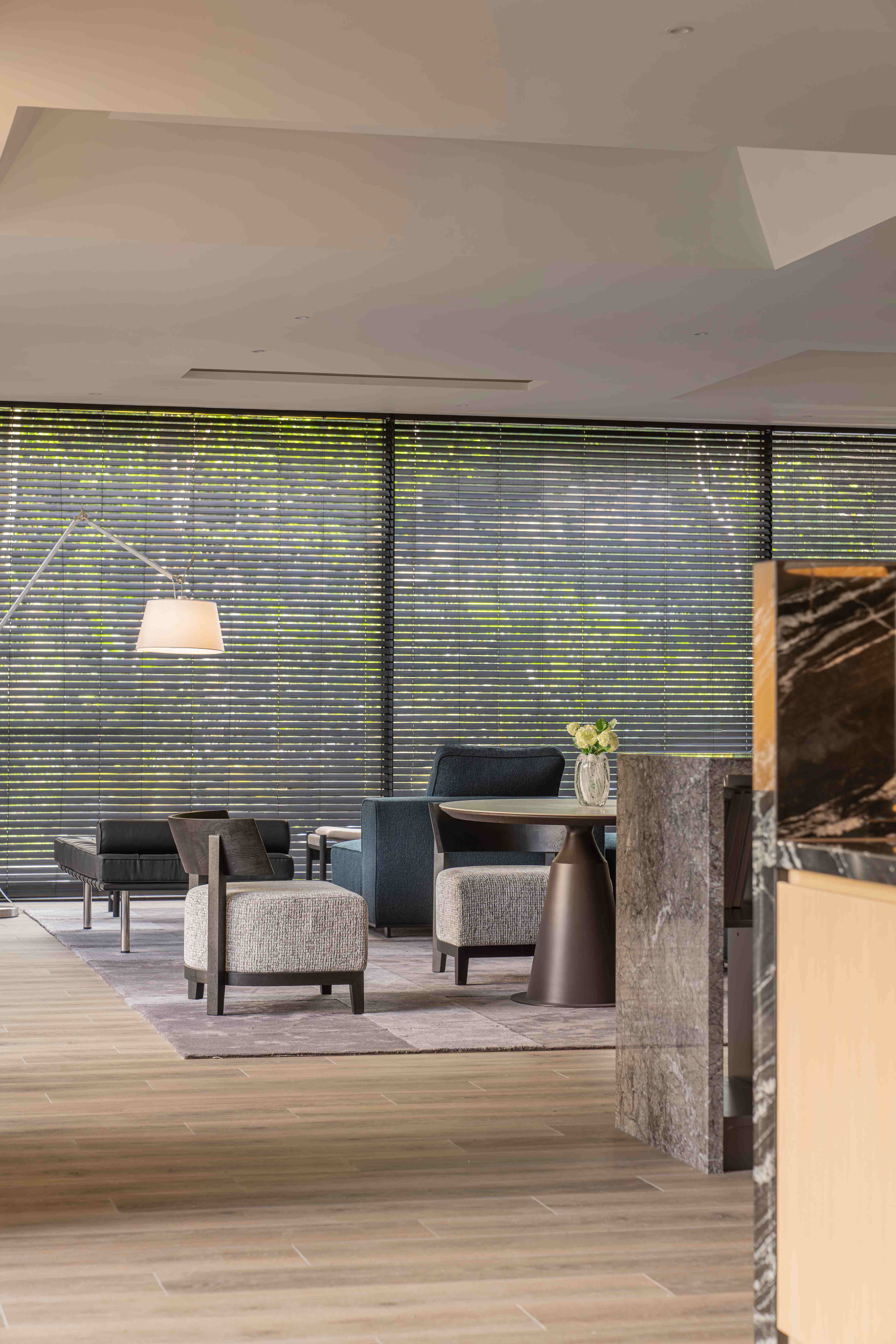
在空間佈局上,以模組化雙向沙發作為核心主軸,透過其開放且可雙向使用的特性,界定出主要空間結構,並延伸出多個次級使用場域。不同類型的家具,包括沙發、長椅、單椅、餐椅、咖啡桌與原有餐桌,被有意識地配置於各個節點之中,使空間在整體上維持連續視覺的同時,亦能形成多個可被獨立使用的小尺度區塊。
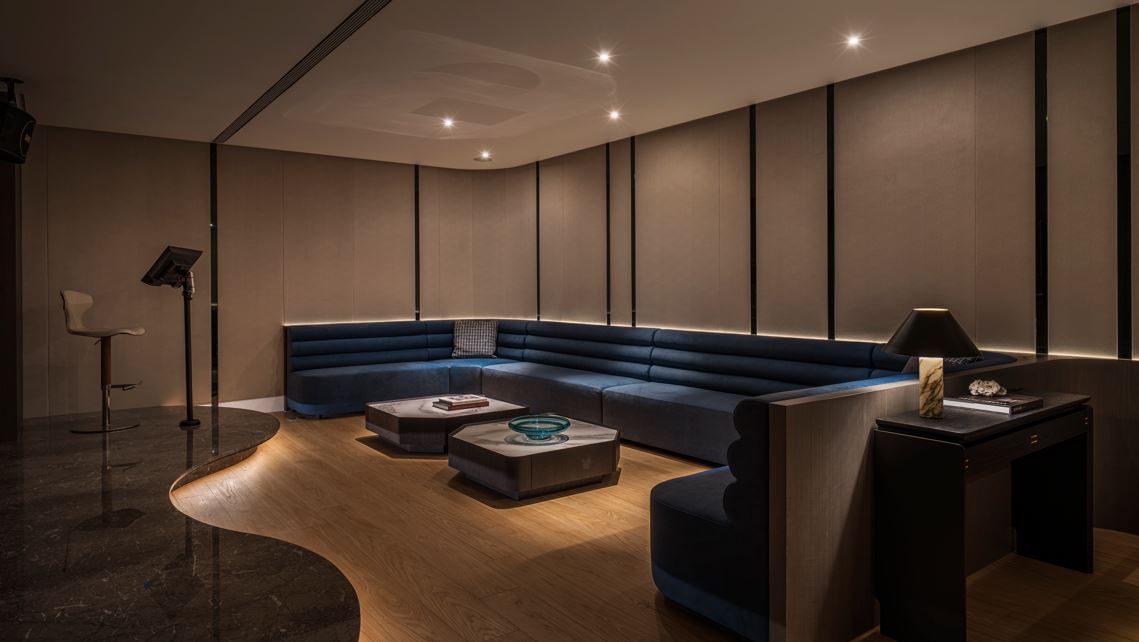
空間因此不再被單一行為所定義,而是提供使用者依據當下需求自由選擇的可能性:可停留、可交談、可短暫休憩,亦可獨立使用。家具在此不僅是配置物件,而成為引導行為的媒介,使公設空間從被動的展示轉為主動的使用場域。
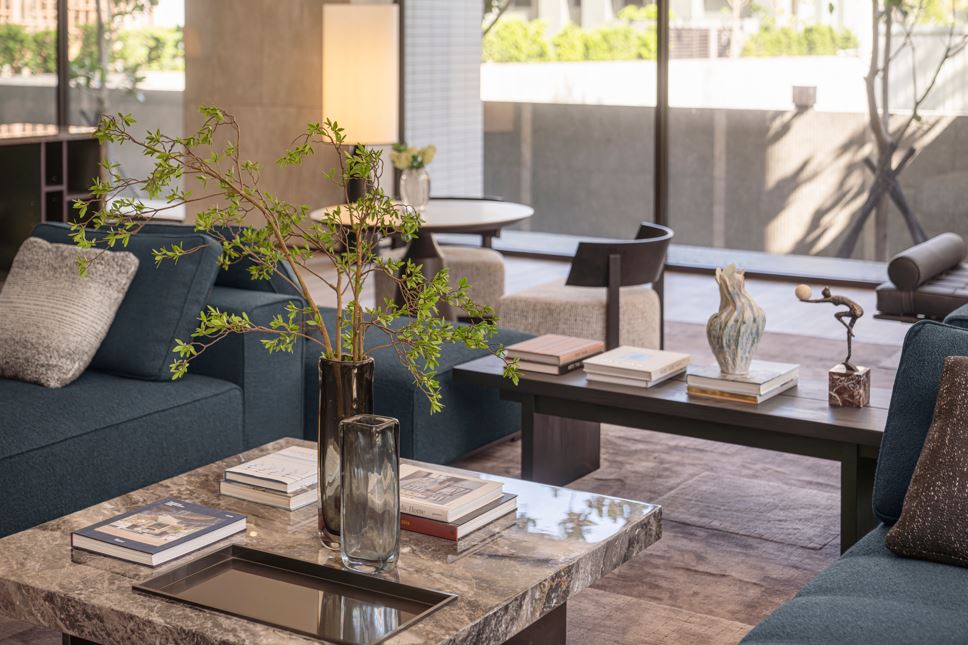
在角色上,此空間同時作為住宅的過渡門廳與生活延伸的交誼場域,既承載入戶的儀式感,也具備如同居家客廳般的日常性。設計透過材質與家具語彙的整合,使空間在呈現完整視覺效果的同時,仍保有親近與可使用的尺度,使其成為「家外之家」的存在。
最終,本案透過宏觀的配置策略與細膩的家具選擇,在有限空間中建立多重使用關係,提升公設空間的使用效率與停留意願,並重新定義集合住宅中共享空間的角色,使其不再只是形式性的配置,而是真正回應生活的場域。
This project is a shared lounge within a residential development, functioning simultaneously as an entrance lobby and a communal living space. Within a limited spatial framework, the design is required to accommodate a high volume of users while supporting diverse patterns of everyday use. Rather than prioritizing a singular function, the project explores how spatial flexibility and coexistence can be achieved through furniture configuration.
A modular, double-sided sofa system is introduced as the primary spatial organizer. Its bidirectional nature defines the central axis of the space while enabling multiple orientations of use. Around this core, a variety of furniture typologies—including sofas, benches, lounge chairs, dining chairs, low tables, and communal tables—are strategically arranged to establish a series of secondary zones. These zones allow for both individual and shared use, maintaining visual continuity while supporting differentiated spatial experiences.
The space is therefore not defined by a fixed program, but by the potential for users to engage with it in multiple ways. Whether for short-term rest, informal interaction, or individual use, the furniture system acts as a mediator of behavior, transforming the space from a static arrangement into an active and adaptive environment.
As both an entrance threshold and a communal interior, the space operates between ritual and everyday life. It carries the ceremonial quality of arrival while simultaneously offering the familiarity of a living room. Through careful integration of materials and furniture language, the design achieves a balance between spatial coherence and human scale, positioning the lounge as an extension of the home—an inhabitable space beyond the private unit.
Ultimately, the project redefines the role of shared residential amenities. Through a combination of macro-level spatial strategy and refined furniture selection, it enhances usability, encourages occupancy, and transforms the lounge from a representational setting into a lived environment that actively supports contemporary residential life.
中文作品名稱 / 共融界面;使用的編排
英文作品名稱 / Interface of Coexistence
屋齡 / 1 年
面積單位 / 180 平方米/㎡
作品所在地 / 台灣 桃園市
完工年月份 / 2025 年 10 月